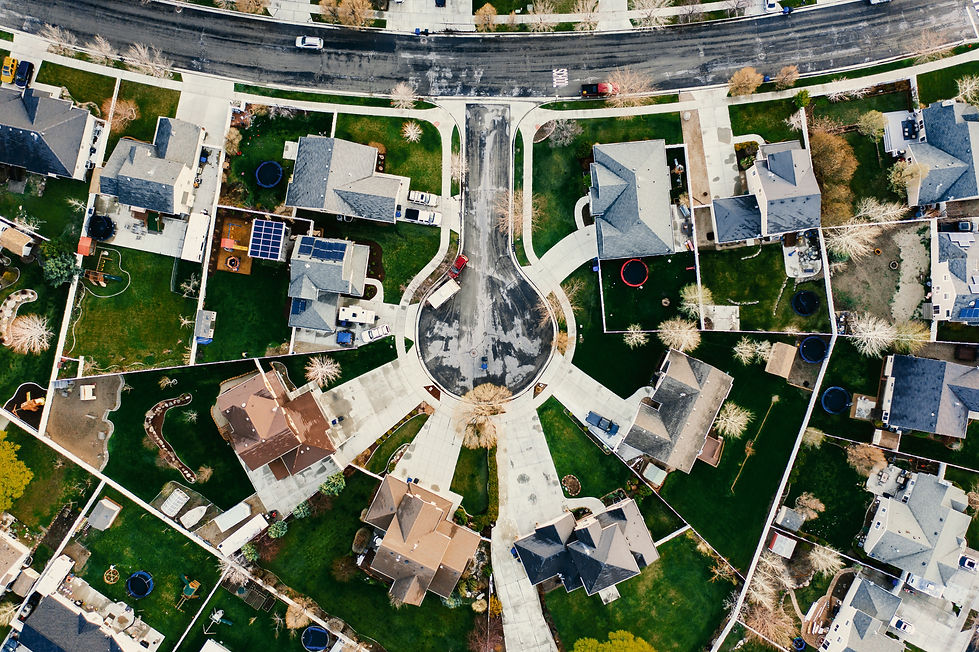
Defending a neighborhood requires a collective effort and cooperation among residents. Here are some strategies for defending a neighborhood:
-
Establish a Neighborhood Watch Program: Collaborate with your neighbors to form a neighborhood watch program. This involves regular meetings to discuss security concerns, sharing information about suspicious activities, and organizing patrols or surveillance efforts.
-
Foster Strong Community Relationships: Build strong relationships with your neighbors. Encourage open communication, mutual trust, and a sense of collective responsibility for the safety of the neighborhood.
-
Improve Street Lighting: Ensure that the streets and common areas in your neighborhood are well-lit. Adequate lighting deters criminal activity and makes it easier to identify suspicious individuals or vehicles.
-
Maintain Clear Lines of Sight: Trim bushes, trees, and shrubs to maintain clear lines of sight throughout the neighborhood. Unobstructed visibility reduces potential hiding spots for criminals and increases overall security.
-
Strengthen Physical Security Measures: Encourage residents to reinforce their homes with secure doors, windows, and locks. Install security systems and surveillance cameras to monitor common areas.
-
Promote Active Neighborhood Presence: Encourage residents to be vigilant and observant of their surroundings. Simply having more people present and aware in the neighborhood can deter criminal activity.
-
Share Information: Establish a system for sharing information about local crime trends, suspicious activities, or relevant safety tips among neighbors. This can be done through email lists, social media groups, or neighborhood newsletters.
-
Organize Community Events: Plan community events that promote a sense of unity and togetherness. Activities such as block parties, neighborhood clean-ups, or regular social gatherings help build stronger bonds among residents.
-
Emergency Preparedness: Encourage residents to be prepared for emergencies. Develop an emergency plan for the neighborhood, share it with residents, and conduct drills to ensure everyone is familiar with the procedures.
-
Collaborate with Local Law Enforcement: Establish a relationship with local law enforcement agencies. Invite them to community meetings or events to discuss neighborhood safety, receive guidance, and establish a working partnership.
-
Engage in Public Advocacy: Advocate for improved safety measures in your neighborhood, such as additional streetlights, speed bumps, or traffic calming measures. Work with local authorities to address safety concerns effectively.
-
Encourage Reporting: Educate residents on the importance of reporting suspicious activities promptly to law enforcement. Encourage the use of anonymous tip lines or crime reporting apps to facilitate reporting.
-
Monitor Vacant Properties: Keep an eye on vacant properties in the neighborhood and report any signs of trespassing or suspicious activity to the property owners or authorities.
-
Support Home Security Measures: Encourage residents to install visible security measures like alarms, security cameras, and motion-activated lighting. These act as deterrents and increase the overall security of the neighborhood.
-
Promote Neighborhood Awareness: Share information about crime prevention tips, home security measures, and personal safety practices with residents to raise awareness and empower them to take proactive steps.
Remember that neighborhood defense requires active involvement, cooperation, and ongoing efforts. By working together, residents can create a safer and more secure environment for everyone in the neighborhood.